Butter Swim Biscuits
Welcome to Allwecook!
Are you searching for the absolute easiest way to make fluffy, from-scratch biscuits without the frustrating hassle of rolling or cutting dough?
These incredible Butter Swim Biscuits are a legendary Southern baking secret that will completely revolutionize your weekend breakfast routine.
Instead of meticulously cutting cold fat into flour, this brilliant recipe literally drowns the wet dough in a pool of melted butter.
This foolproof baking method is specifically designed for beginner bakers, busy holiday hosts, and anyone intimidated by traditional pastry techniques.
Whether you are serving them alongside a savory sausage gravy or smothering them in sweet strawberry jam, they are guaranteed to disappear immediately.
Let us dive right into the fascinating culinary science that makes this dump-and-bake bread an absolute necessity for your recipe box.
Why This Recipe Works
The fundamental brilliance of this recipe lies in the scientific manipulation of hydration and reverse lipid absorption.
Traditional biscuit dough requires minimal liquid and solid cold fats to create flaky layers through rapid steam evaporation.
In stark contrast, this highly unique dough utilizes a massive hydration ratio from the heavy buttermilk, creating a sticky, wet batter.
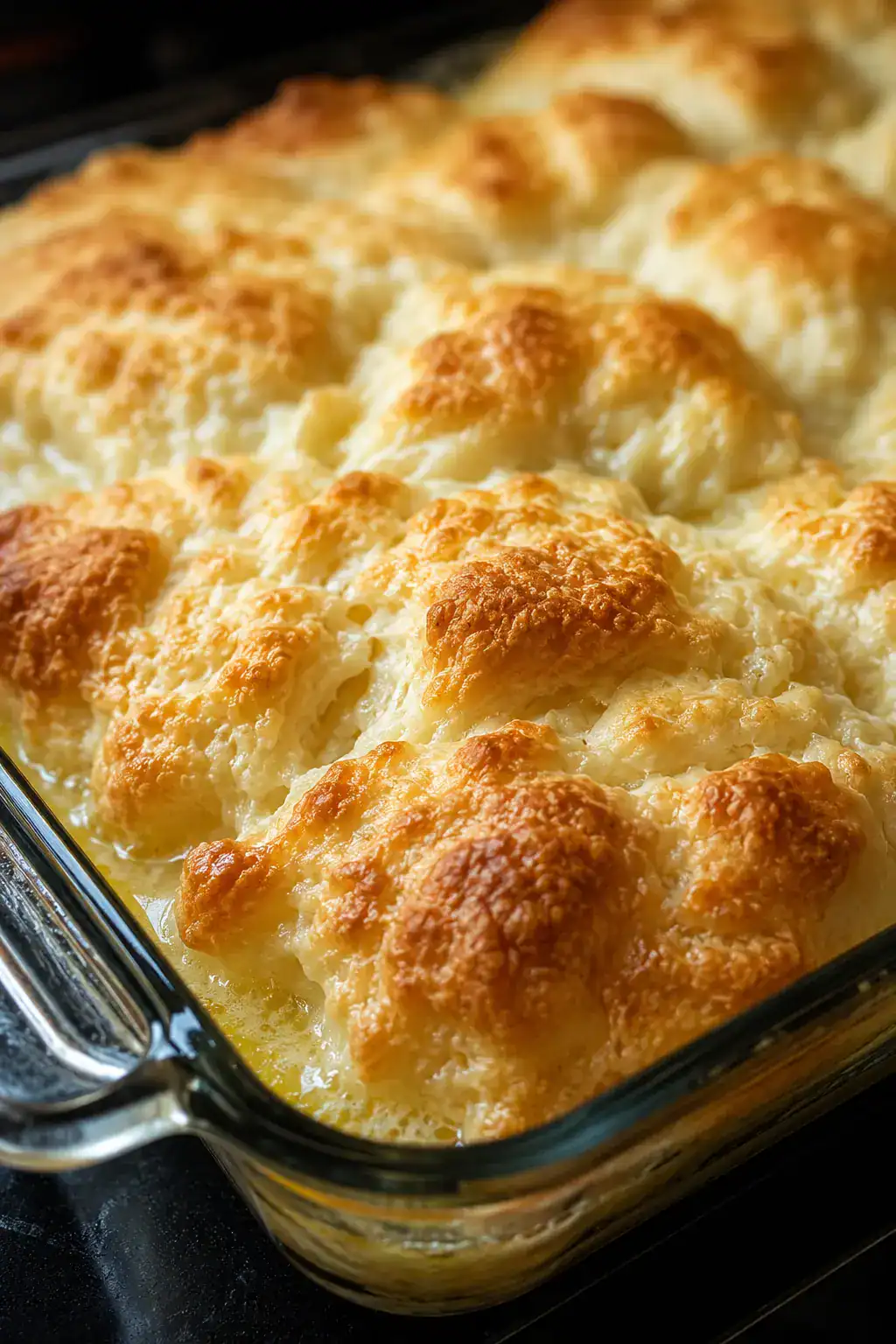
As this wet batter bakes in a scorching hot oven, it rapidly absorbs the surrounding pool of melted butter directly into its crumb structure.
The intense heat literally fries the exterior edges of the dough in the pan, triggering the Maillard reaction for a beautifully golden, crispy crust.
Simultaneously, the chemical leavening agents react with the acidic buttermilk to provide an explosive, airy lift inside the baking dish.
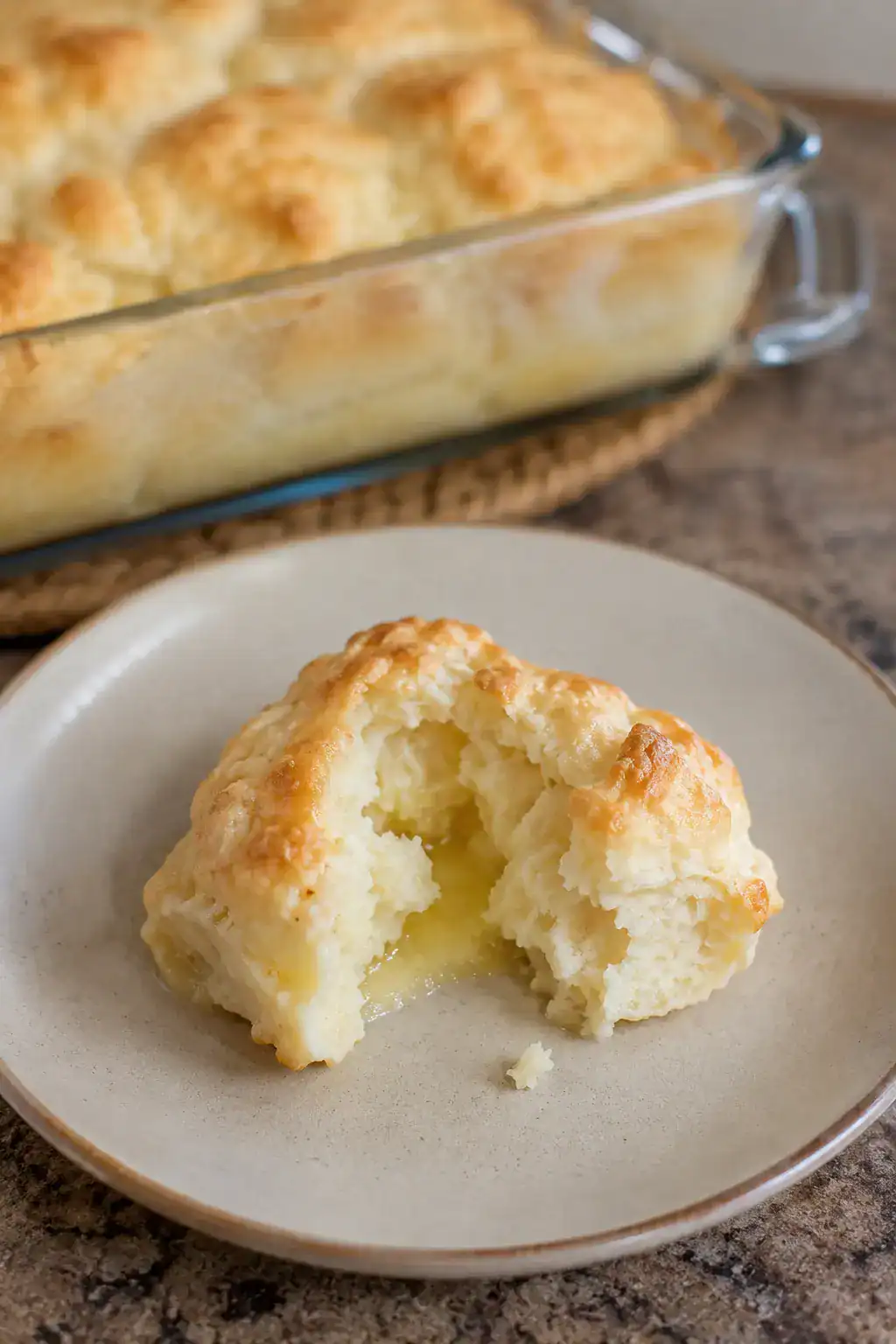
You are ultimately rewarded with a majestic textural contrast: a shatteringly crisp bottom layer and a melt-in-your-mouth, cloud-like interior.
Key Ingredient Notes
Choosing the correct foundational components is absolutely critical to ensure your quick bread rises perfectly and absorbs the fats properly.
All-Purpose Flour: This standard pantry staple provides the exact right amount of protein needed to build a stable gluten structure without becoming overly tough. Utilizing bread flour would create an unpleasantly chewy texture, so sticking to all-purpose is mandatory for a tender crumb.
Buttermilk: This highly acidic, thick dairy product acts as the primary moisture engine and ultimate tenderizer for the dense flour. The natural lactic acid aggressively breaks down gluten strands while reacting vigorously with your leavening agents.
Baking Powder: Because this wet dough is incredibly heavy, utilizing a high-quality, fresh chemical leavening agent is completely necessary for a proper rise.
Unsalted Butter: You must select unsalted butter for the baking dish pool so you can perfectly control the overall sodium levels of the final product.
Easy Substitutions & Variations
This rustic Southern staple is wonderfully versatile and incredibly easy to adapt to your family's specific palate or dietary restrictions.
If you do not have fresh buttermilk in your refrigerator, you can easily create a brilliant homemade substitute in mere minutes.
Simply stir a splash of white vinegar or fresh lemon juice into standard whole milk and let it curdle gently before mixing.
Need to elevate this savory side dish for a hearty holiday dinner?
Fold a generous handful of sharp shredded cheddar cheese and finely minced garlic directly into the wet flour mixture before baking.
For an incredibly sweet, dessert-like twist, try dusting the top of the wet dough with cinnamon sugar right before it enters the oven.
You can also successfully swap the standard all-purpose flour for a high-quality, one-to-one gluten-free baking blend that contains xanthan gum.
Pro Tips for Success
Following these strategic culinary techniques will guarantee your buttery pan biscuits turn out absolutely picture-perfect every single time.
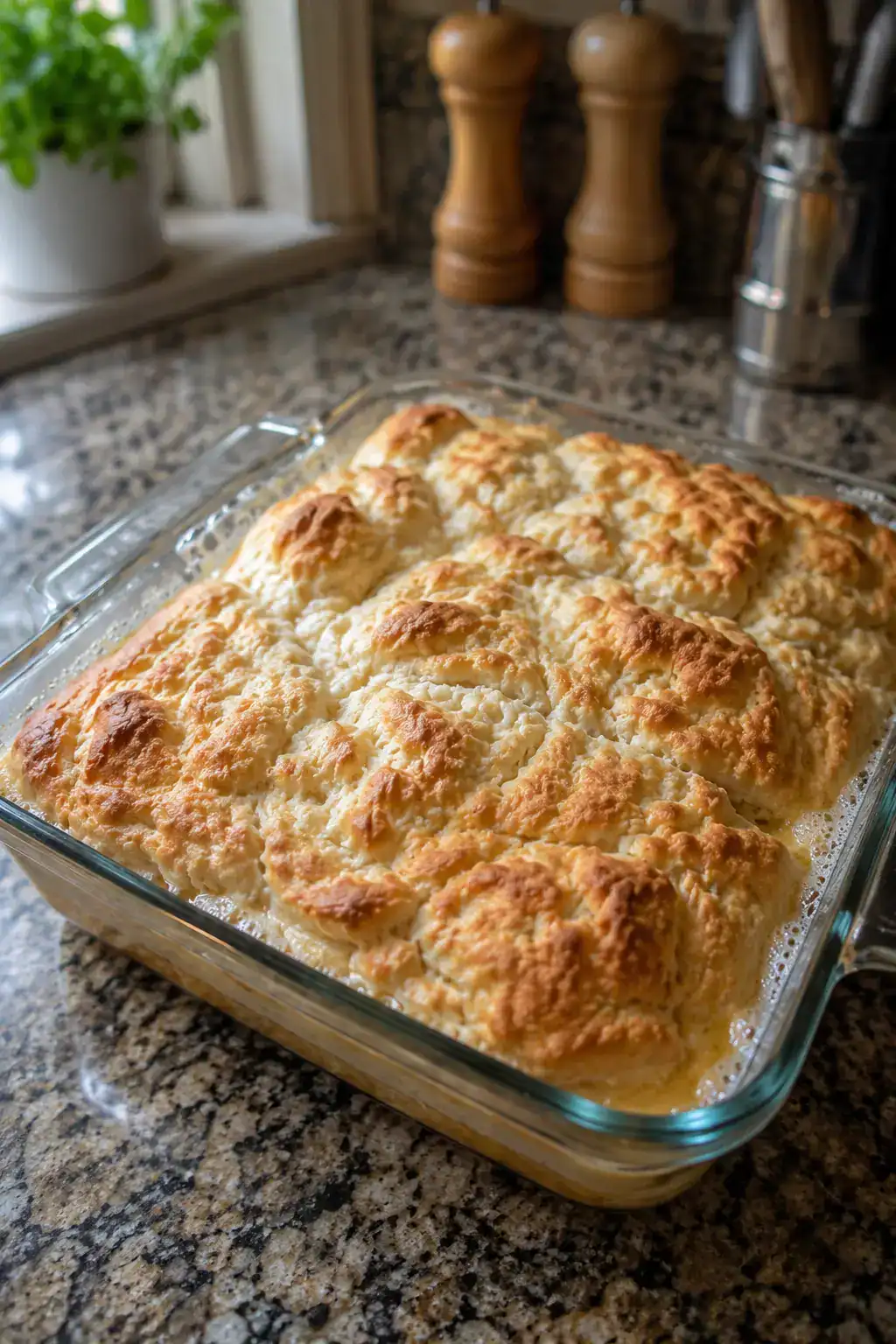
Do Not Overmix: You absolutely must stop stirring your batter the exact second the dry flour streaks completely disappear into the wet dairy. Aggressively overmixing the batter will overdevelop the delicate gluten strands, resulting in a highly unappetizing, rubbery, and dense bread.
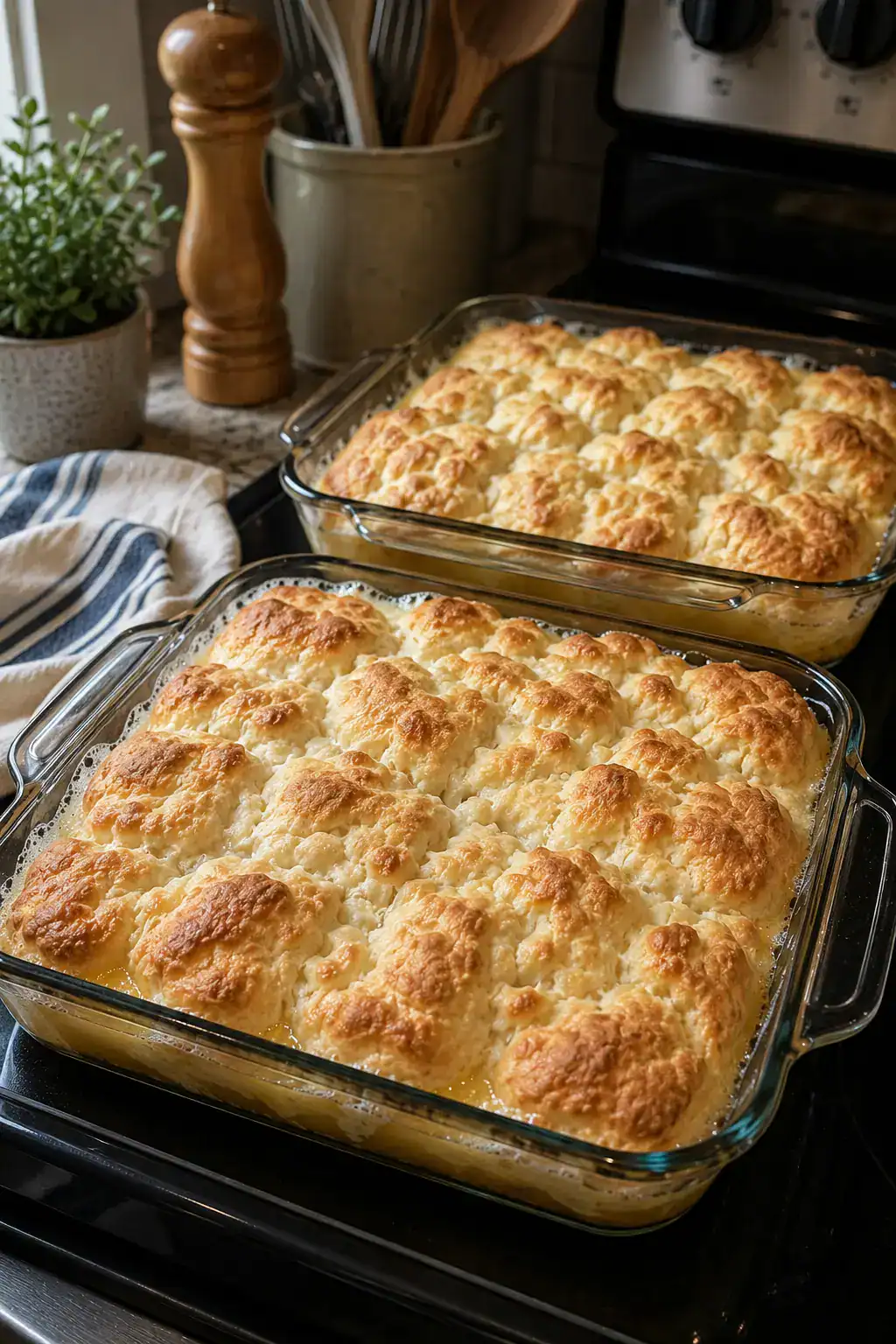
Score Before Baking: Taking the time to gently score the raw dough with a knife allows the melted butter to seep deep into the center lines. This crucial step also ensures your baked bread pulls apart into perfect, uniform squares without crumbling or tearing.
Allow Them to Rest: You must let the hot baking dish rest on your kitchen counter for a few minutes immediately after removing it from the oven. This mandatory resting phase gives the hot crumb structure enough time to absorb every last drop of the bubbling liquid butter.
Storage and Reheating
These buttery squares make absolutely phenomenal leftovers for a quick, comforting breakfast sandwich on busy weekday mornings.
Store any remaining completely cooled portions in an airtight container at room temperature, where they will safely maintain their texture for up to three days.
Can you freeze these rich, pan-baked biscuits for future weekend meals?
Yes, they freeze exceptionally well when wrapped tightly in individual layers of aluminum foil and placed inside a heavy-duty freezer bag for up to two months.
When it comes time to reheat your leftovers, you must avoid the microwave entirely if you want to preserve that beautiful, crispy exterior crust.
The absolute best way to reheat these squares is in an air fryer at 350°F for three to five minutes until the center is piping hot.
Alternatively, you can place them on a wire cooling rack set over a baking sheet in a warm oven until they are heated completely through.
Frequently Asked Questions (FAQ)
Why did my biscuits turn out dense and heavy?
A heavy, flat crumb structure almost always occurs if your baking powder has expired, causing it to completely lose its chemical lifting power. It can also happen if you heavily overmixed the wet batter, which knocks out the necessary air bubbles and creates a tough, bread-like texture.
Can I use a glass baking dish instead of a metal pan?
Yes, you can absolutely utilize a standard glass or ceramic baking dish for this specific recipe! However, keep in mind that glass conducts heat slightly slower than metal, so you may need to add an extra two to three minutes to your final baking time to ensure a crispy edge.
What should I serve with this rich Southern side dish?
Because these squares essentially fry in their own butter pool, they are incredibly rich and pair perfectly with highly acidic or sweet toppings. They are absolutely phenomenal when split open and smothered in fresh strawberry preserves, raw honey, or a savory, peppery sausage gravy.
Butter Swim Biscuits
Ingredients
- 2 ½ cups all-purpose flour
- 1 tablespoon baking powder
- 1 tablespoon granulated sugar
- 1 teaspoon salt
- 1 ¾ cups buttermilk
- ½ cup 1 stick / 113 g unsalted butter, melted
Instructions
- Preheat Oven: Preheat your oven to 450°F (230°C).
- Prep the Dish: Pour the melted butter into an 8×8-inch baking dish, making sure the entire bottom is fully coated in the butter pool.
- Mix Dry Ingredients: In a large mixing bowl, whisk together the all-purpose flour, baking powder, granulated sugar, and salt until evenly distributed.
- Form the Dough: Add the buttermilk to the dry ingredients and stir just until combined. The dough will be thick and slightly sticky-don't overmix it!
- Add to Pan: Carefully spoon the wet dough directly into the butter-filled baking dish. Gently spread it out to the edges using a spatula.
- Score the Dough: Use a sharp knife to lightly score the dough into 9 even squares (this allows the butter to seep in and helps with cutting later).
- Bake: Bake for 20-25 minutes, or until the top is a deep golden brown and the edges are wonderfully crisp.
- Rest and Serve: Let the pan cool for a few minutes before serving so the hot biscuits can fully absorb the surrounding melted butter. Serve warm!