Cinnamon Roll Bites
Welcome to Allwecook!
Are you craving the comforting, warm spices of a classic bakery pastry but want something much easier to share and snack on?
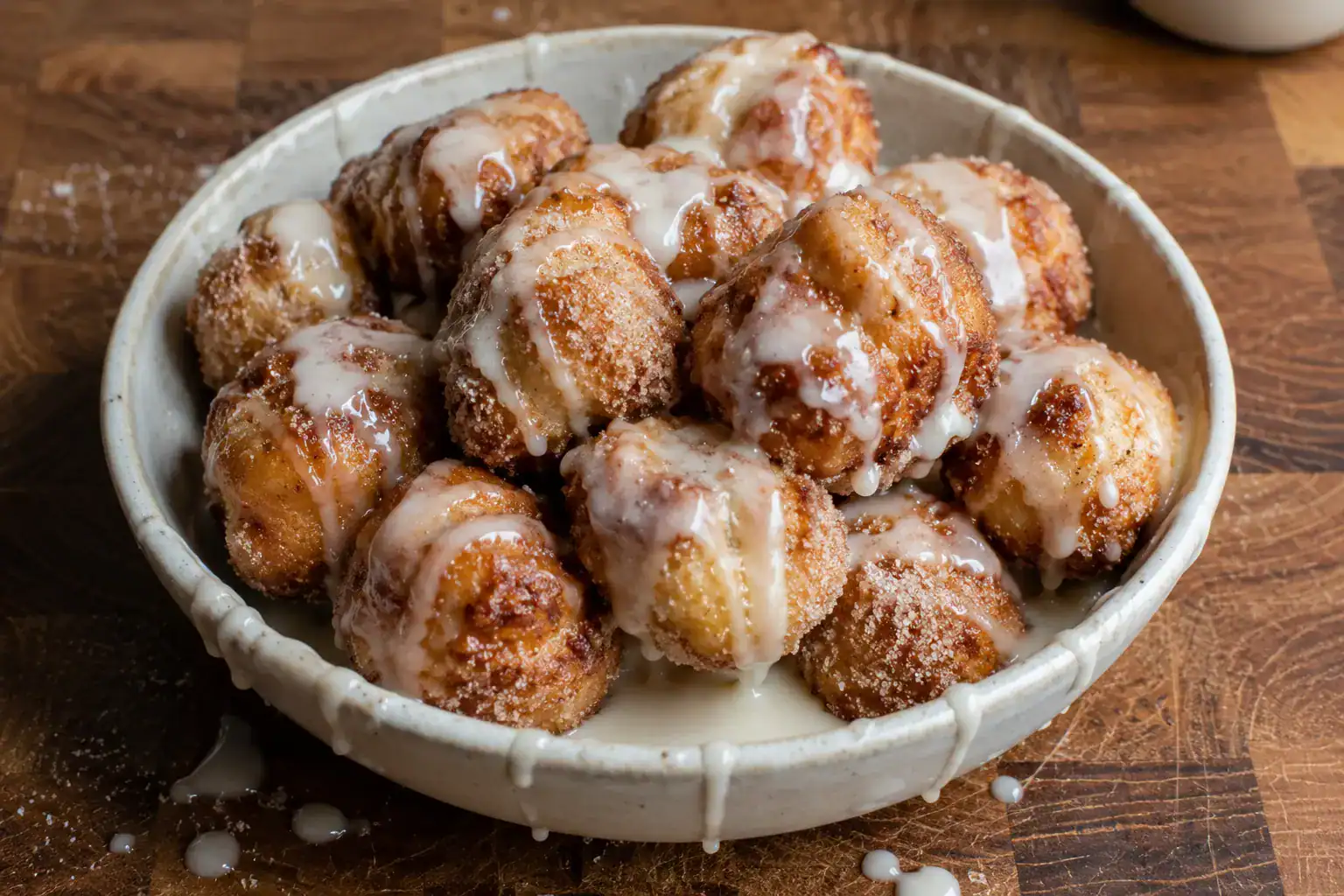
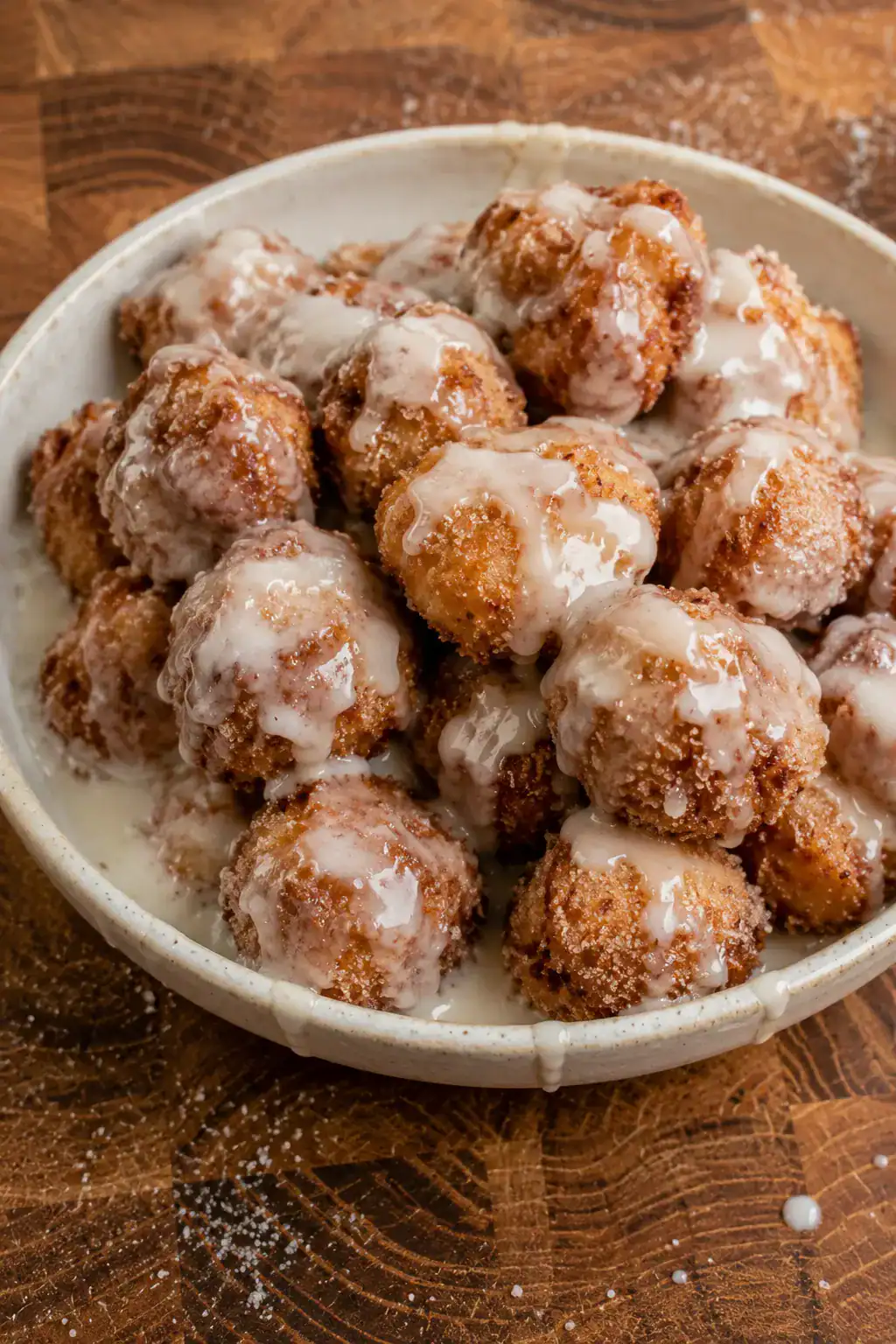
These incredible homemade Cinnamon Roll Bites deliver all the gooey, sweet decadence of traditional rolls in a perfectly poppable size.
By transforming standard dough into bite-sized morsels, you maximize the surface area for that irresistible caramelized cinnamon-sugar coating.
This foolproof yeasted recipe is specifically designed for weekend brunch hosts, holiday breakfast spreads, and families who love interactive finger foods.
Because they bake much faster than massive, jumbo-sized rolls, you spend less time hovering around the oven and more time enjoying your morning.
Whether you are serving them alongside hot coffee on a crisp morning or treating the kids to a fun after-school snack, they will disappear instantly.
Let us dive straight into the fascinating culinary science that makes these mini glazed treats an absolute necessity for your baking repertoire.
Why This Recipe Works
The fundamental brilliance of this recipe lies in the scientific manipulation of yeast fermentation and dough surface area.
Standard cinnamon rolls often suffer from a dry, doughy center that lacks the rich, sugary filling found on the exterior layers.
By slicing the dough log into miniature pieces, you expose significantly more of the buttery, spiced spiral to the intense heat of the oven.
This rapid heat exposure triggers the Maillard reaction across multiple exposed surfaces, creating beautifully caramelized, crispy edges on every single bite.
Furthermore, utilizing an enriched dough packed with milk, butter, and a whole egg ensures the interior crumb remains incredibly tender and pillowy soft.
The fats in the enriched dough actively coat the flour proteins, preventing tough gluten strands from forming during the kneading process.
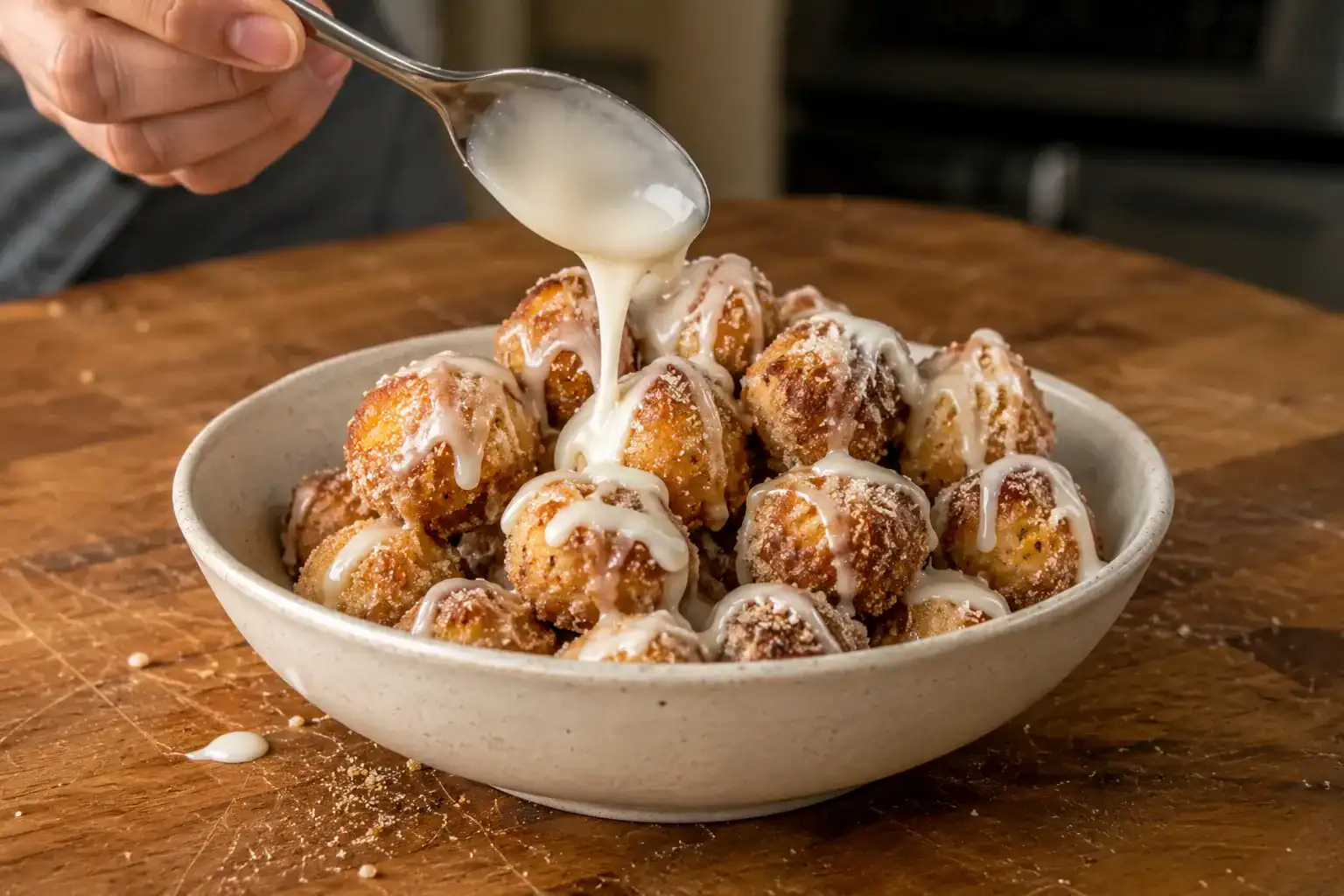
Finally, pouring a sweet vanilla glaze over the freshly baked bites while they are still warm is a masterful finishing technique.
The residual oven heat melts the icing slightly, allowing it to seep directly into the tiny crevices for a melt-in-your-mouth, bakery-style finish.
Key Ingredient Notes
Choosing the correct foundational components is absolutely essential for achieving that authentic, fluffy pastry texture and deep spice profile.
Active Dry Yeast: This microscopic living organism acts as the primary biological leavening agent for your enriched dough. It consumes the sugars and releases carbon dioxide gas, which gets trapped in the gluten matrix to create those light, airy pockets.
Warm Milk: Liquid hydration is vital for waking up dormant yeast, but strict temperature control is the most critical factor. The milk must be comfortably warm to the touch to activate the yeast, as scorching hot liquids will instantly kill the organisms and leave you with flat dough.
All-Purpose Flour: This standard pantry staple provides the exact right amount of protein needed to build a stable structure for the heavy butter and sugar. Bread flour can be used, but all-purpose yields a slightly more tender, cake-like chew that perfectly suits miniature pastries.
Brown Sugar: Utilizing brown sugar for the filling rather than standard white granulated sugar is absolutely mandatory for a rich, gooey interior. The natural molasses content in the brown sugar melts down with the softened butter to create a thick, caramel-like syrup while baking.
Easy Substitutions & Variations
This versatile yeasted pastry is wonderfully forgiving and incredibly easy to adapt to your family's specific palate or pantry inventory.
If you do not have active dry yeast on hand, you can seamlessly substitute instant yeast without altering the structural integrity of the recipe.
Simply skip the initial blooming step and mix the instant yeast directly into your dry ingredients before adding the warm milk and butter.
Need to make this comforting breakfast completely dairy-free for your weekend brunch guests?
You can effortlessly substitute the whole milk with a rich, unsweetened almond or oat milk, and swap the dairy butter for a high-quality vegan baking stick.
For an incredibly decadent, autumnal flavor profile, try swapping the standard ground cinnamon for a robust pumpkin pie spice blend.
You can also elevate the gourmet appeal by folding finely chopped toasted pecans or walnuts directly into the butter and sugar filling before rolling.
If you want a tangy contrast to the sweet dough, replace the simple vanilla milk glaze with a rich, homemade cream cheese frosting.
Pro Tips for Success
Following these strategic culinary techniques will guarantee your bite-sized pastries turn out absolutely picture-perfect every single time.
Test Your Milk Temperature: You absolutely must ensure your milk is hovering right around 110°F (43°C) before adding your delicate dry yeast. If you do not have a digital thermometer, test the milk on the inside of your wrist; it should feel comfortably warm like bathwater, not scalding hot.
Do Not Rush the Kneading: You must take the time to knead the dough until it is completely smooth, elastic, and pulls away cleanly from the sides of your bowl. This crucial mechanical action develops the strong gluten network, which is structurally required to trap the yeast gases for a fluffy, tall rise.
Use Softened, Not Melted Butter: When spreading the fat over your rolled-out dough rectangle, it must be perfectly at room temperature and easily spreadable. Pouring completely melted liquid butter over the dough will cause the cinnamon sugar to instantly pool and leak out of the edges when you roll it up.
Storage and Reheating
These miniature glazed pastries make absolutely phenomenal leftovers for a quick, comforting breakfast alongside your early morning coffee.
Store any completely cooled portions in an airtight container at room temperature, where they will safely maintain their soft texture for up to two days.
Can you freeze these homemade cinnamon roll bites for future sweet cravings?
Yes, they freeze exceptionally well when tightly sealed in a heavy-duty freezer bag, either glazed or unglazed, for up to two full months.
When it comes time to reheat your leftovers, the microwave is your absolute best tool for reviving that pillowy, fresh-from-the-oven softness.
Warm the bites for ten to fifteen seconds, optionally placing a slightly damp paper towel over the plate to steam the dough back to life.
Frequently Asked Questions (FAQ)
Can I prepare this dough the night before serving? Absolutely! You can prepare the dough, complete the first rise, shape the bites, and place them in the pan before covering them tightly and placing them in the refrigerator overnight. The cold temperature drastically slows down the yeast fermentation; simply let the pan sit at room temperature for an hour the next morning before baking.
Why did my dough fail to double in size during the first rise? A failed yeast rise almost always occurs if your yeast was completely expired before you began, or if the milk you used was far too hot and killed the organisms. It can also happen if your kitchen environment is exceptionally cold, which dramatically slows down the natural fermentation process.
How do I cut the dough without squishing the layers? The absolute best culinary trick for cutting delicate rolled dough without crushing the spiral is to use a piece of unflavored dental floss or clean sewing thread. Slide the string under the dough log, cross the ends over the top, and pull tightly to slice cleanly through the pastry without applying downward pressure.

Cinnamon Roll Bites
Ingredients
For the Dough:
- 1 cup warm milk about 110°F / 43°C
- 2 ¼ teaspoons active dry yeast 1 packet
- ¼ cup granulated sugar
- ¼ cup unsalted butter melted and slightly cooled
- 1 large egg
- ½ teaspoon salt
- 3 to 3 ½ cups all-purpose flour
For the Cinnamon Filling:
- ½ cup packed brown sugar
- 2 tablespoons ground cinnamon
- ¼ cup unsalted butter softened
Optional Glaze:
- 1 cup powdered sugar
- 2 -3 tablespoons milk
- ½ teaspoon vanilla extract
Instructions
- Activate the Yeast: In a large mixing bowl, combine the warm milk, active dry yeast, and granulated sugar. Stir gently and let it sit for 5-7 minutes, until the mixture becomes visibly foamy and bubbly.
- Make the Dough: Add the melted (and slightly cooled) butter, egg, and salt to the yeast mixture. Gradually stir in the all-purpose flour until a soft dough begins to form. Knead for 5-7 minutes until the dough becomes smooth, elastic, and pulls away from the sides of the bowl.
- First Rise: Place the kneaded dough in a lightly greased bowl. Cover it with a clean kitchen towel or plastic wrap, and let it rise in a warm spot for about 1 hour, or until it has doubled in size.
- Prepare the Filling: In a small bowl, whisk together the packed brown sugar and ground cinnamon until fully combined. Set aside.
- Shape the Rolls: Punch down the risen dough and roll it out onto a lightly floured surface into a rectangle about ¼-inch thick. Spread the softened butter evenly over the entire surface of the dough, leaving a small border around the edges. Sprinkle the cinnamon sugar mixture evenly over the butter layer.
- Roll & Cut: Roll the dough tightly from the long end into a uniform log. Cut the log into 1-inch pieces, and then cut each piece in half to create bite-size portions.
- Bake: Place the cut bites into a greased or parchment-lined baking dish. Bake at 350°F (175°C) for 15-18 minutes, until the pastries are a deep golden brown and cooked completely through.
- Glaze (Optional): While the bites bake, whisk together the powdered sugar, milk, and vanilla extract until completely smooth. Drizzle the glaze generously over the warm cinnamon roll bites right before serving.