Amish Baked Custard
Craving a cozy, old-fashioned dessert using simple pantry staples you already have is a universal feeling.
This traditional Amish Baked Custard Recipe completely satisfies that deep nostalgia without requiring an emergency trip to the grocery store.
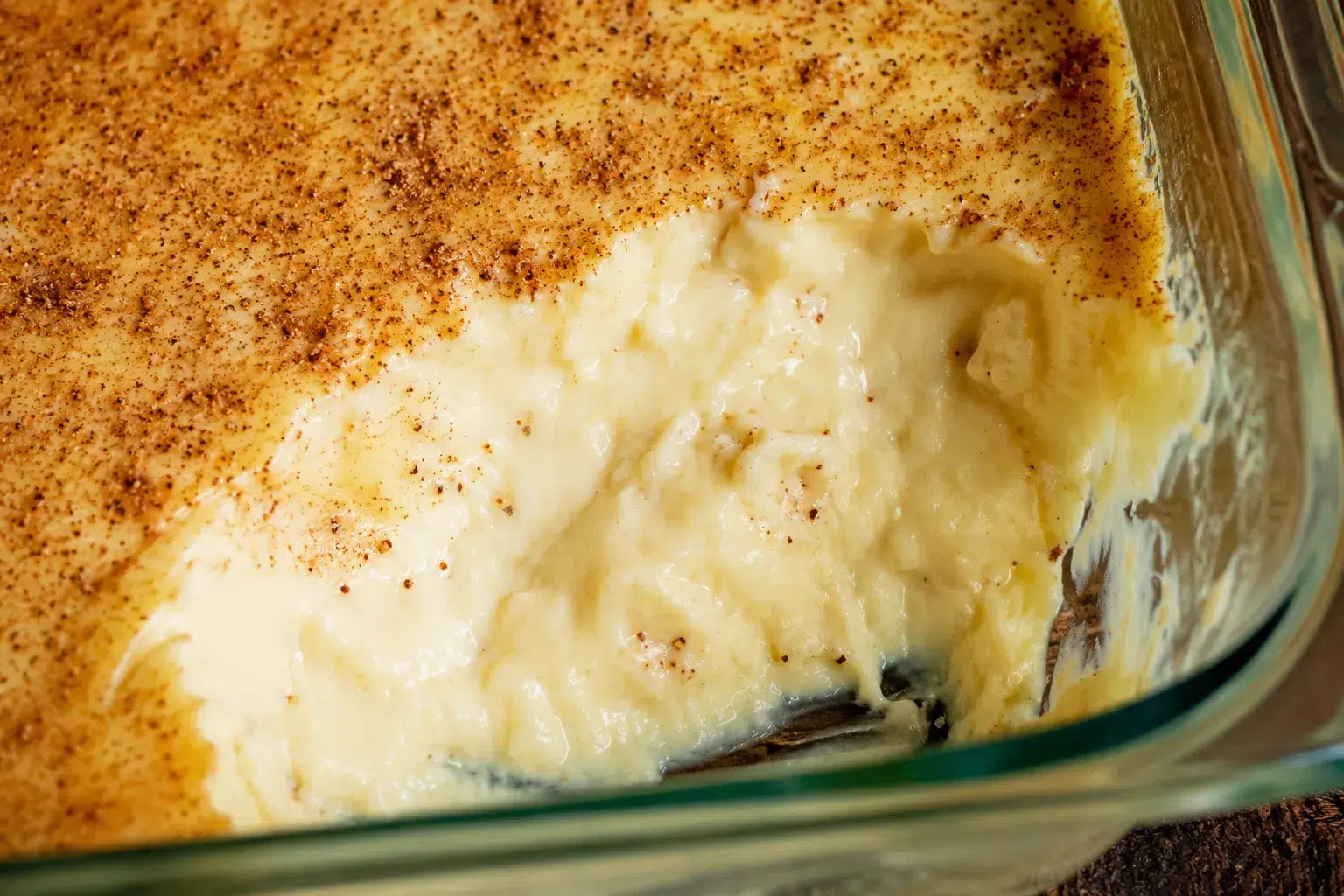
The cozy, warm aroma of grated nutmeg filling the kitchen will instantly transport you right back to your grandmother's house.
Every single spoonful delivers a silky, melt-in-your-mouth texture that feels incredibly soothing after a long, stressful day.
Making an old-fashioned baked custard with condensed milk saves massive amounts of time compared to standard historic recipes.
Let us break down the exact dairy science that guarantees a flawless, jiggly dessert on your very first try.
The Culinary Science of the Water Bath
If you want to achieve that signature silky texture, utilizing a proper water bath, or bain-marie, is absolutely mandatory.
Custard relies heavily on the fragile proteins found inside your eggs to build its internal structure.
A water bath physically insulates the delicate egg mixture from the harsh, direct heat of the hot oven elements.
The surrounding water will never exceed the boiling point, creating a gentle, even temperature buffer around your baking dish.
If you skip this crucial step, the extreme oven heat will cause the outer edges to aggressively curdle and dry out.
You will end up with a rubbery, scrambled egg texture instead of a smooth, luxurious easy egg custard.
Ingredient Spotlight: The Condensed Milk Shortcut
Historic recipes usually require you to carefully scald raw milk and dissolve heavy white sugar over a hot stove.
We bypass that tedious step entirely by relying on a single can of sweetened condensed milk.
This brilliant shortcut provides all the necessary dairy fat, concentrated sweetness, and liquid volume in one simple pour.
When you vigorously whisk it together with hot water, it instantly mimics the texture and flavor of freshly scalded milk.
You will also need eggs to provide the necessary fat and protein structure.
A splash of vanilla extract and a pinch of salt rounds out the deep, rich flavor profile perfectly.
Variations: Ramekins vs. A Large Baking Dish
The beauty of this dessert is how easily it adapts to the specific bakeware you currently have in your cupboards.
Baking baked custard in ramekins creates an incredibly elegant, individual presentation for a formal dinner party.
Smaller dishes cook much faster, requiring exactly one hour in the oven to achieve that gentle jiggle of a perfectly set center.
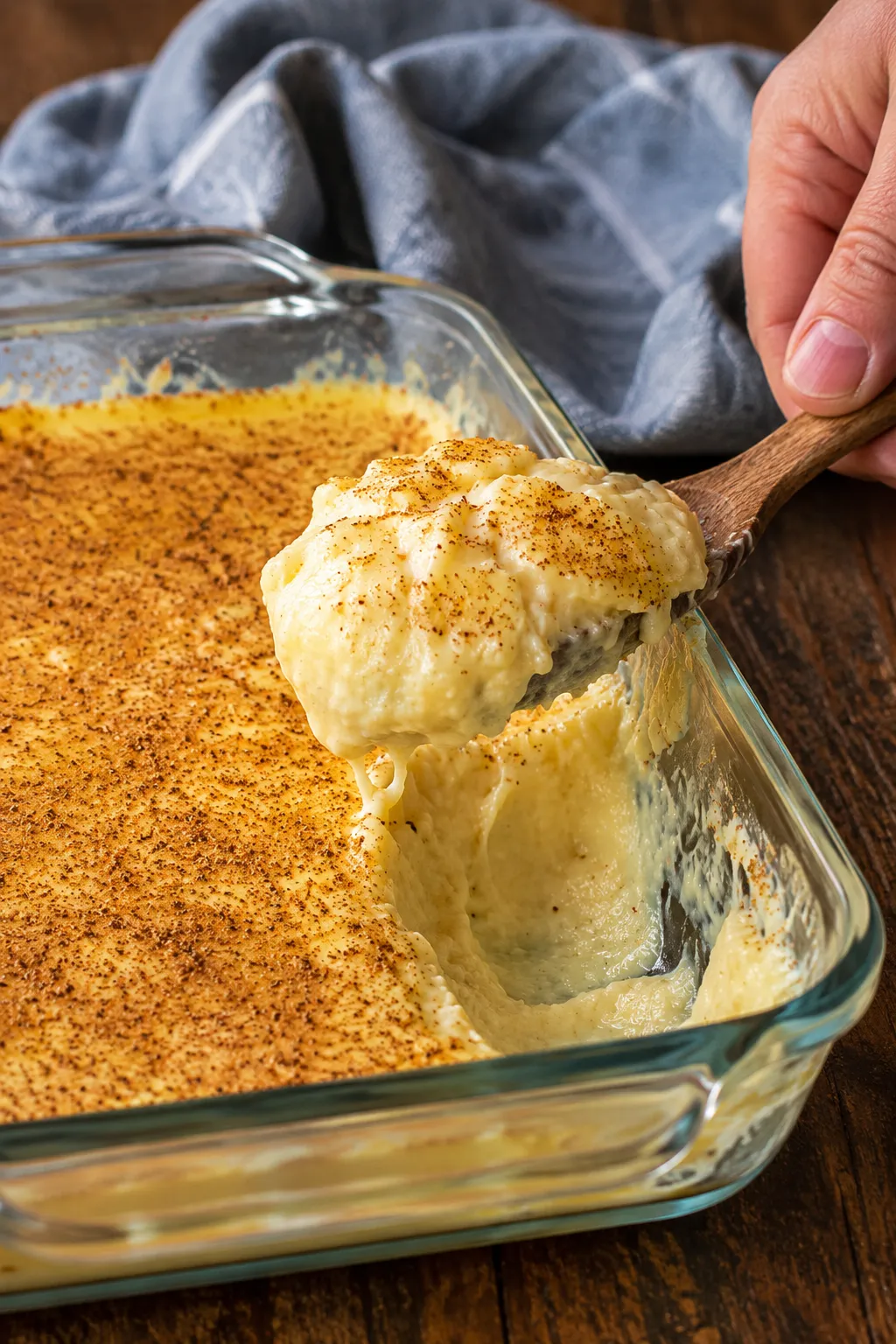
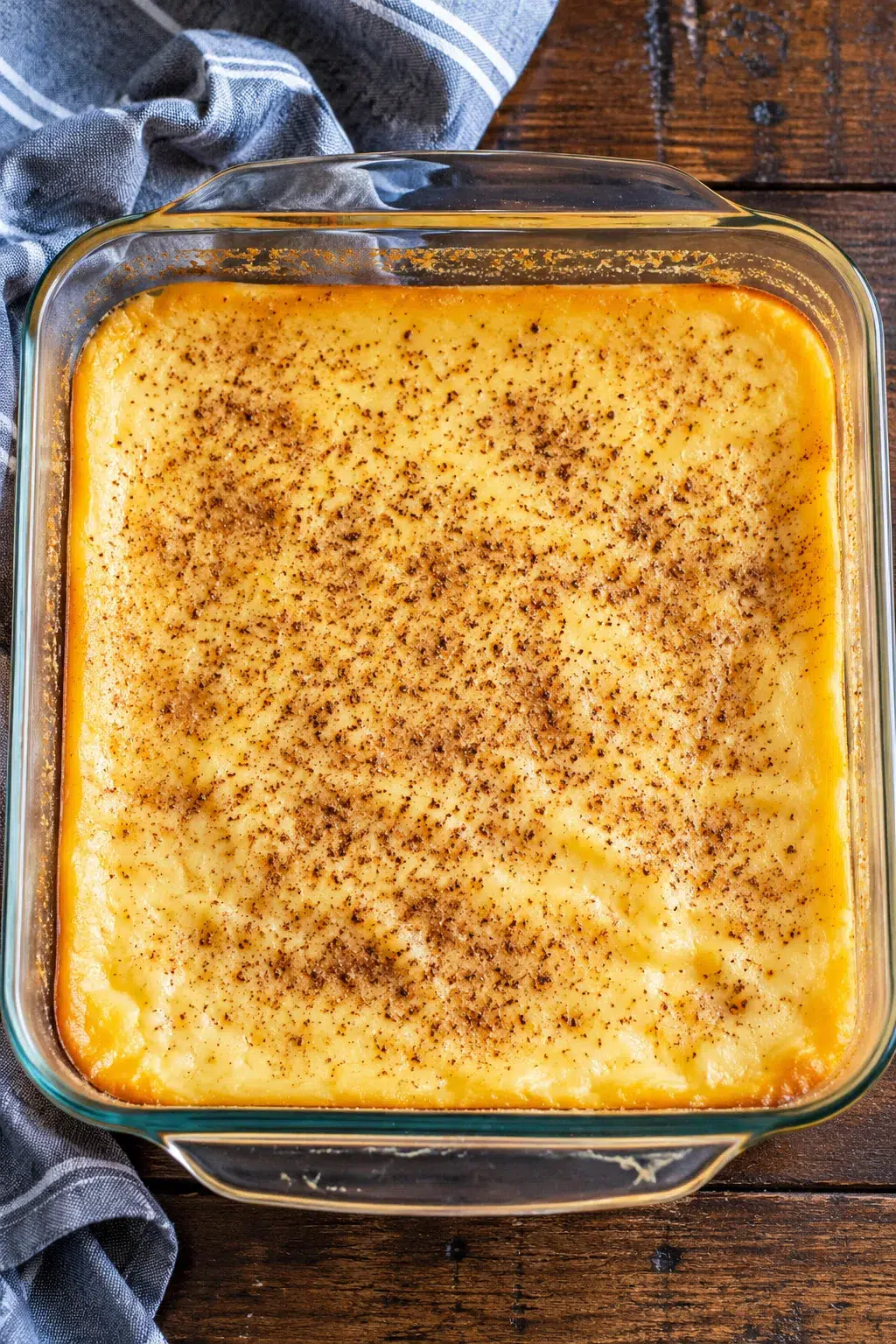
If you are serving a casual family dinner, pouring the entire mixture into a standard 2-quart baking dish works beautifully.
A large, single-dish dessert requires a significantly longer baking time of one hour and forty minutes.
Regardless of the vessel, you can serve this rich treat warm straight from the oven, or refrigerate it to serve beautifully chilled.
Perfect Pairings & Serving Suggestions
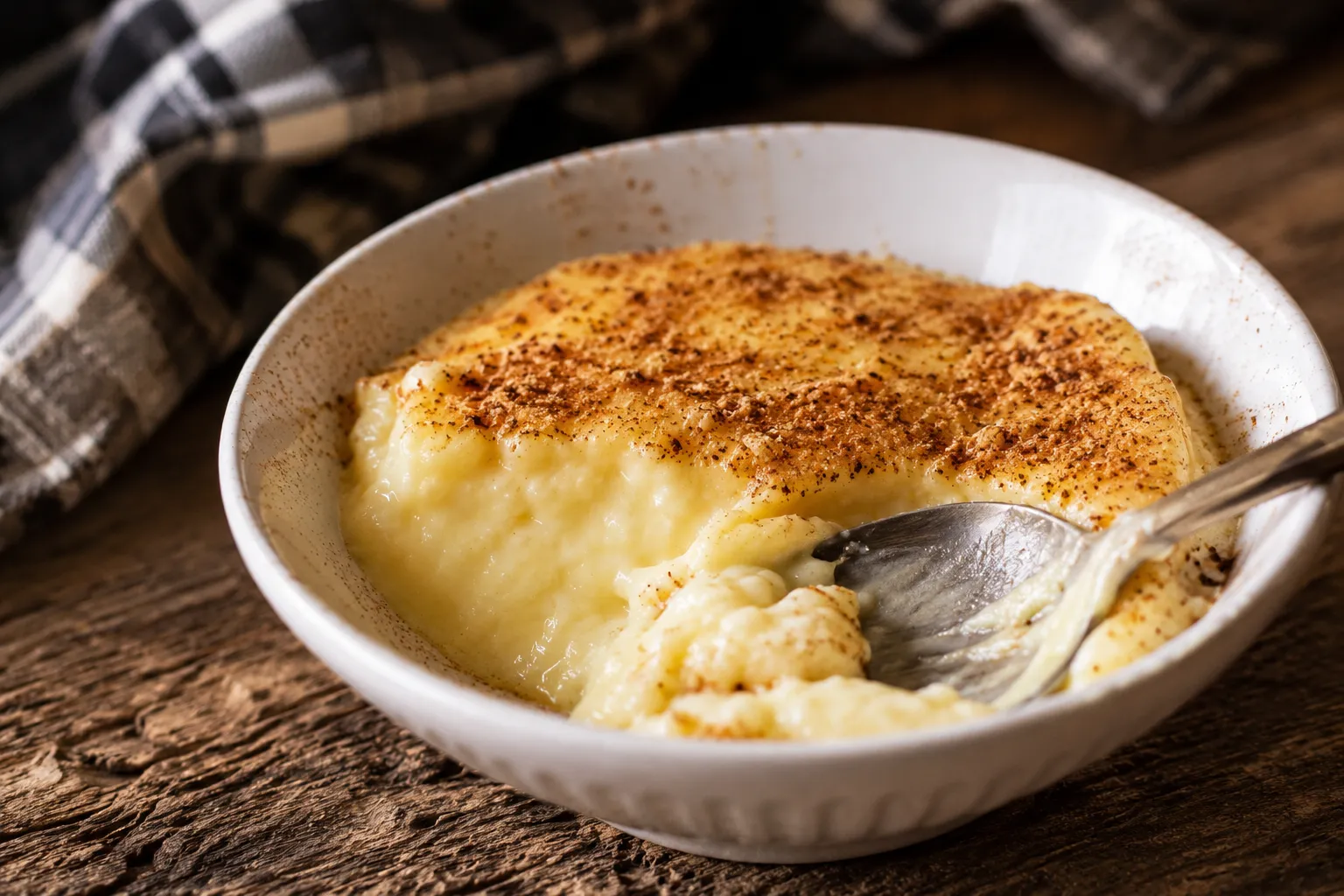
This creamy dessert is incredibly satisfying entirely on its own with just a heavy dusting of aromatic ground nutmeg.
However, adding a handful of fresh, tart raspberries or sliced strawberries provides a gorgeous visual pop of bright color.
The sharp acidity from fresh berries cuts directly through the heavy dairy fat, creating a beautifully balanced flavor profile.
Expert Success Tips for the Perfect Custard
Following a few strict handling rules will ensure your egg mixture bakes flawlessly without separating.
- Master the Temper: You must learn how to temper eggs for custard slowly by whisking a small splash of the hot milk mixture directly into the raw beaten eggs. This gradually raises the temperature of the cold eggs, preventing them from scrambling when you finally combine the two bowls.
- Watch the Jiggle: Use the classic knife test by inserting a blade into the exact center of the dish; it should pull out completely clean. You are looking for firm outer edges but the gentle jiggle of a perfectly set center when you lightly tap the pan.
- Pour with Caution: To avoid accidentally splashing tap water directly into your raw custard, place the dry pan in the oven first. Use a spouted pitcher to carefully pour the half-inch of hot water into the outer pan right before closing the heavy oven door.
Storage Logic
This dairy-heavy dessert makes fantastic leftovers, especially since many people strongly prefer eating it completely chilled from the fridge.
Store any fully cooled leftovers tightly covered with plastic wrap in the coldest section of your refrigerator for up to three days.
You might notice a small amount of clear liquid pooling around the edges of the dish after it sits overnight.
This mild weeping is a completely natural reaction as the cold egg proteins contract and squeeze out a tiny bit of moisture.
Common Questions (FAQ)
Can I use evaporated milk instead? No, you cannot substitute evaporated milk in this specific recipe because it does not contain any added sugar. If you make that swap, your dessert will be completely unsweetened and the liquid ratios will be wildly incorrect.
Why does my custard taste eggy? An overwhelmingly eggy flavor usually means the dish was baked at too high of a temperature or left in the oven far too long. Overcooking physically damages the fragile protein structure, releasing sulfur compounds that overpower the delicate vanilla notes.
Amish Baked Custard
Ingredients
- 1 14 oz can sweetened condensed milk
- 4 cups hot water
- 6 eggs
- 2 teaspoons vanilla extract
- ¼ teaspoon salt
- Nutmeg for garnish
Instructions
- Preheat & Prep: Preheat your oven to 325°F. Combine the sweetened condensed milk and hot water in a large glass or metal bowl, stirring until completely dissolved.
- Temper the Eggs: In a separate bowl, beat the eggs until they are light in color and fluffy in texture. Pour a bit of the hot milk mixture directly into the eggs while whisking vigorously to temper them, then combine the two bowls fully. Stir in the vanilla extract and salt.
- Fill the Dishes: Pour the hot mixture evenly into individual ramekins and place them on a baking pan with high sides. Alternatively, pour the entire mixture into a 2-quart baking dish instead.
- Prepare the Water Bath: Place the pan in the hot oven and carefully fill the outer pan with a half inch of hot water.
- Bake: Bake for 1 hour (for ramekins) or until a knife inserted in the center comes out clean. If using the larger 2-quart baking dish, bake for 1 hour and 40 minutes.
- Cool & Serve: Allow the custard to cool for 1 hour. Sprinkle heavily with nutmeg and serve warm, or refrigerate to serve completely chilled.