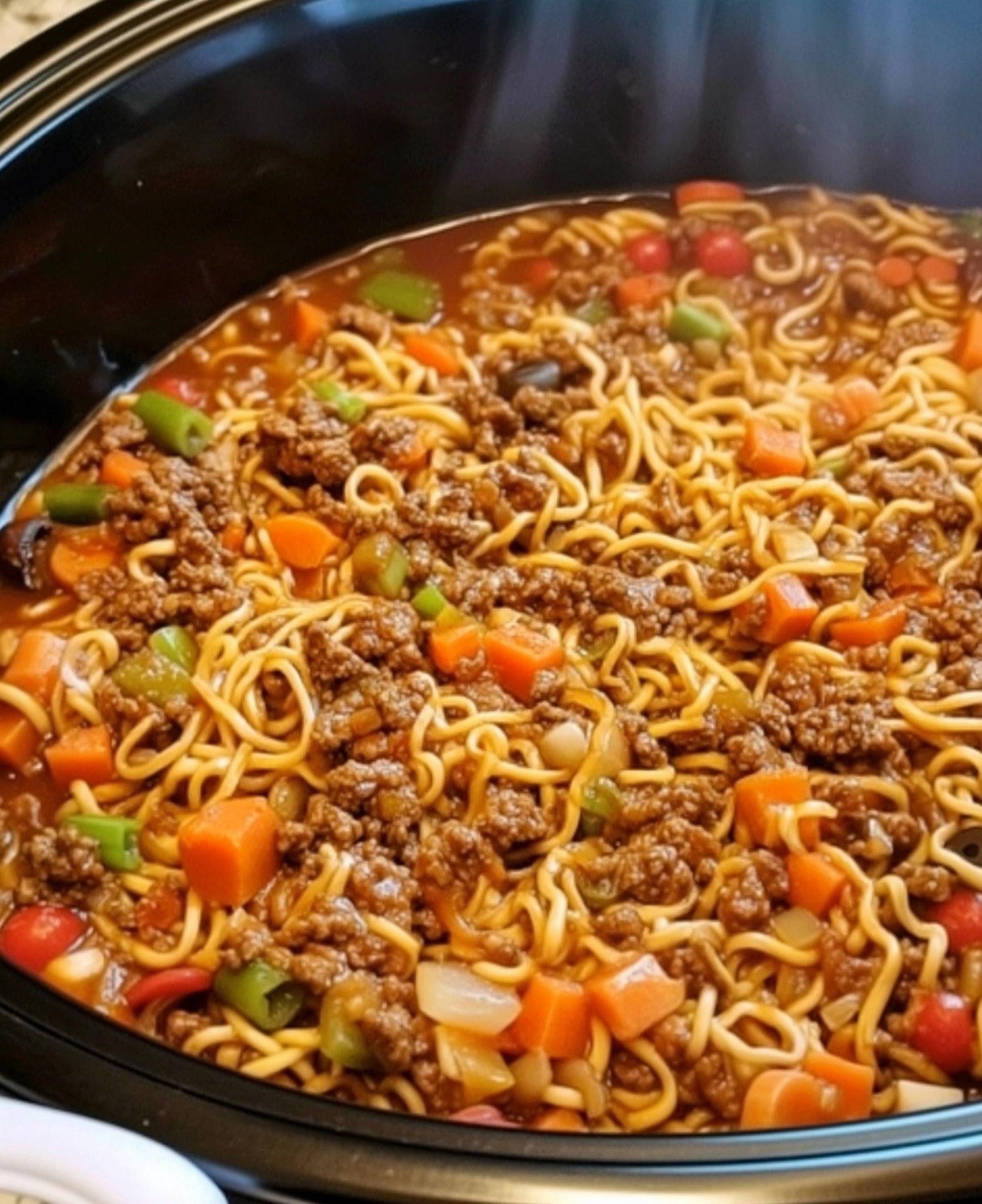
Ground beef lo mein is the perfect way to use up that ground beef in your fridge. It’s a quick and easy meal that the whole family will love! Plus, it’s a great way to get some veggies in your diet.
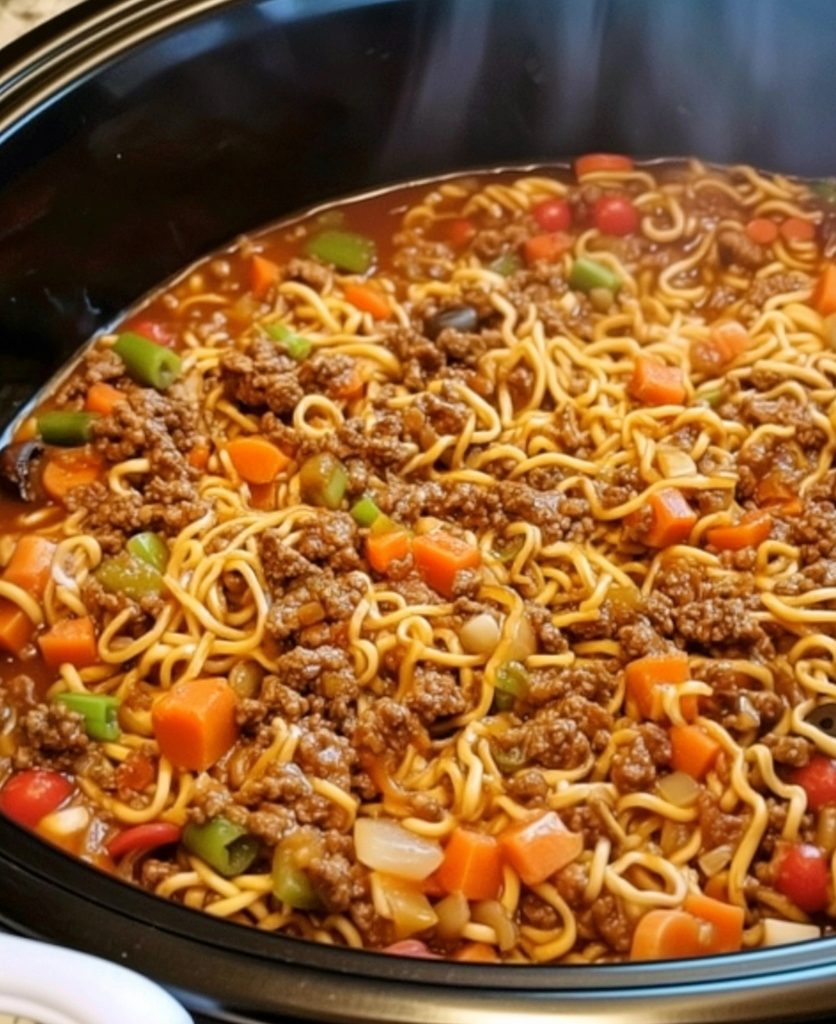
The Ultimate Guide to Ground Beef Lo Mein: Elevating the Weeknight Stir-Fry
In the fast-paced rhythm of modern life, the quest for the perfect weeknight dinner is a universal struggle. We crave meals that are comforting, deeply flavorful, incredibly fast to assemble, and kind to the grocery budget. Enter Ground Beef Lo Mein: a brilliant, pragmatic fusion of traditional Chinese culinary techniques and the convenience of Western pantry staples.
While purists might argue that sliced flank steak or velveted chicken are the traditional proteins for a classic Chinese takeout noodle dish, ground beef offers a distinct set of advantages that makes it an unsung hero of the home kitchen. It requires absolutely no prep—no slicing against the grain, no marinating, and no meat tenderizing (velveting). Furthermore, the fat rendered from the ground beef during the cooking process provides a rich, savory base that coats every single noodle, resulting in a deeply satisfying bowl of food that can be on the table in under thirty minutes.
This comprehensive guide will break down the anatomy of a perfect Ground Beef Lo Mein, exploring the essential ingredients, the science of the sauce, mastering the cooking technique, and customizing the dish to suit any palate.
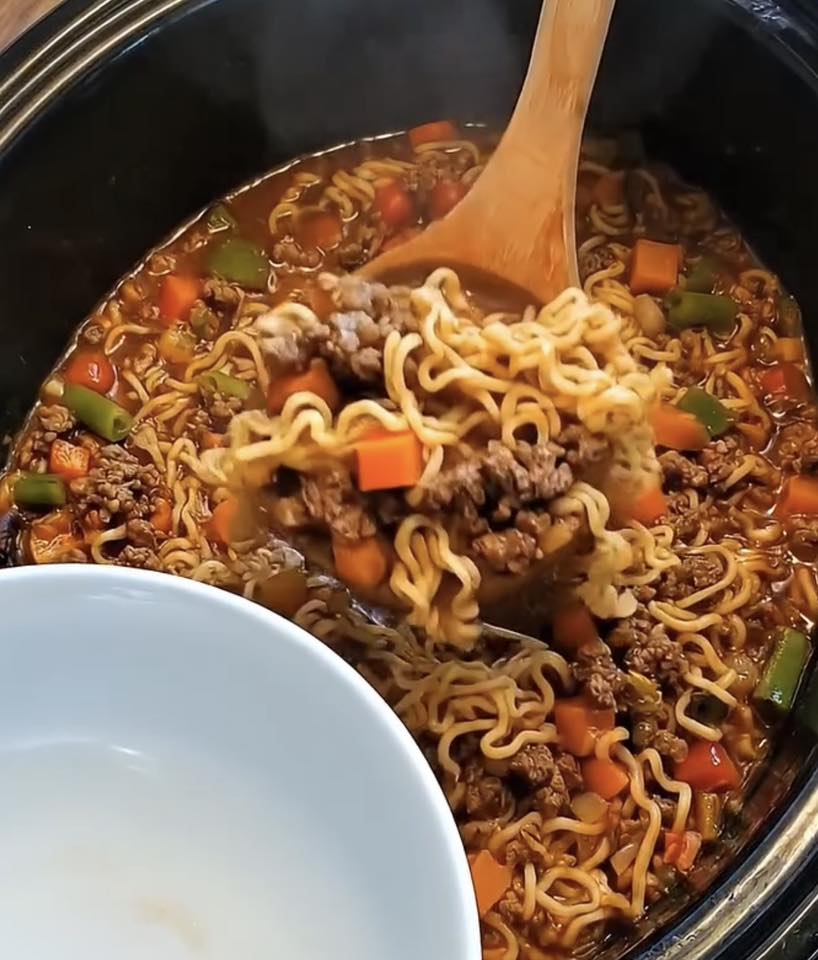
The Protein: Ground Beef
Ground beef is the utilitarian star of this recipe. Because it cooks rapidly and has a high surface area, it is incredibly efficient at absorbing flavors.
- Fat Content: An 80/20 (80% lean, 20% fat) blend is ideal. The fat is flavor. As the beef browns, it renders this fat, which you will then use to sauté your aromatics and vegetables, infusing the entire dish with a rich, beefy undertone. If you use a 90/10 or leaner blend, you may need to add a splash of neutral oil (like canola or peanut) to the pan.
- The Maillard Reaction: The secret to great ground beef in a stir-fry is not to simply steam it in its own juices. When you add the beef to a hot wok or skillet, spread it out in an even layer and leave it alone. Do not stir it for at least 2 to 3 minutes. You want to allow the bottom layer to undergo the Maillard reaction—a chemical reaction between amino acids and reducing sugars that gives browned food its distinctive flavor. Once a dark, crispy crust forms, you can break it up and finish cooking.
Aromatics and Vegetables
The vegetables in Lo Mein serve a dual purpose: they provide nutritional value and, more importantly, textural contrast to the soft noodles and tender beef.
- The Aromatics: Fresh garlic and ginger are non-negotiable. They must be finely minced and quickly bloomed in the hot beef fat to release their essential oils. The white parts of scallions (green onions) are also traditionally added at this stage.
- The Crunch: Cabbage (Napa or standard green cabbage) is a classic inclusion because it retains a slight crunch even after cooking. Carrots, julienned into thin matchsticks, add sweetness and vibrant color.
- The Blank Canvas: Lo mein is inherently forgiving. You can empty your crisper drawer into this dish. Thinly sliced bell peppers, snow peas, bean sprouts, baby corn, or broccoli florets are all excellent additions. The rule of thumb is to slice all vegetables thinly and uniformly so they cook quickly in a matter of minutes.
The Master Sauce
The sauce is what binds the dish together, transforming a collection of ingredients into a cohesive, umami-rich meal. A traditional lo mein sauce is a delicate balance of salty, sweet, savory, and aromatic notes.
- Light Soy Sauce: This provides the primary salty and umami flavor base. Despite the name, it is the standard soy sauce most people have in their pantry.
- Dark Soy Sauce: This is thicker, slightly sweeter, and less salty than light soy sauce. Its primary function is aesthetic; it coats the noodles in a beautiful, appetizing deep mahogany color. If you cannot find dark soy sauce, you can proceed without it, though your noodles will be noticeably paler.
- Oyster Sauce: A thick, syrupy condiment made from oyster extract, sugar, and soy. It is the secret weapon of Chinese takeout, providing an intense depth of savory flavor and a glossy sheen to the noodles.
- Sesame Oil: Toasted sesame oil is a finishing oil, not a cooking oil. A small drizzle added to the sauce provides a deep, nutty aroma that is quintessential to Chinese cuisine.
- A Touch of Sweetness: A teaspoon of granulated sugar or brown sugar balances the harsh saltiness of the soy sauces.
- The Binder: A small amount of cornstarch mixed with chicken or beef broth (or water) creates a slurry. When this hits the hot pan, it thickens the sauce instantly, allowing it to cling tightly to the noodles rather than pooling in a watery mess at the bottom of your bowl.
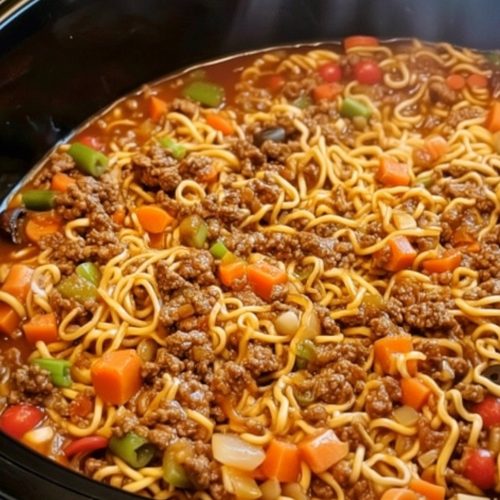
Ground Beef Lo Mein
Ingredients
- 1 Stalk Celery Chopped
- 8 oz. Lean Beef Ground
- ¼ cup Red Onion Sliced Thinly
- 1 tsp. Garlic Minced
- ¼ cup Matchstick Carrots
- 1 tbsp. Soy Sauce
- 8 oz. Spaghetti
- ½ tsp. Salt
- ½ tsp. Sugar
- For The Sauce:
- 1 tsp. Sesame Oil
- 1 tbsp. Rice Cooking Wine
- 1 tbsp. Soy Sauce
Instructions
- Boil the noodles until cooked to your liking and drain.
- Brown the ground beef completely in a skillet over medium-high heat. Drain the excess grease.
- Reduce the heat to medium and add in the garlic, 1 Tbsp soy sauce, celery, onion, carrots, salt and sugar. Saute until the vegetables begin to soften.
- Stir in the spaghetti until well combined.
- Combine the sauce ingredients in a bowl, and pour over the mixture in the skillet.
- Stir to combine well, simmer another minute and serve.